Crape Myrtle in Ice

(click to enlarge)

(click to enlarge)

During the killer summer heat here in Texas one bit of beauty that survives are the bright colors of the Crape (or Crepe) Myrtle trees, blooming on the warmest of days.

Crape Myrtle blooms.

Crape Myrtle blooms.

They also have these amazing limbs, covered in smooth bark.

Crape Myrtle grove at the Dallas Arboretum

Crape Myrtle grove at the Dallas Arboretum

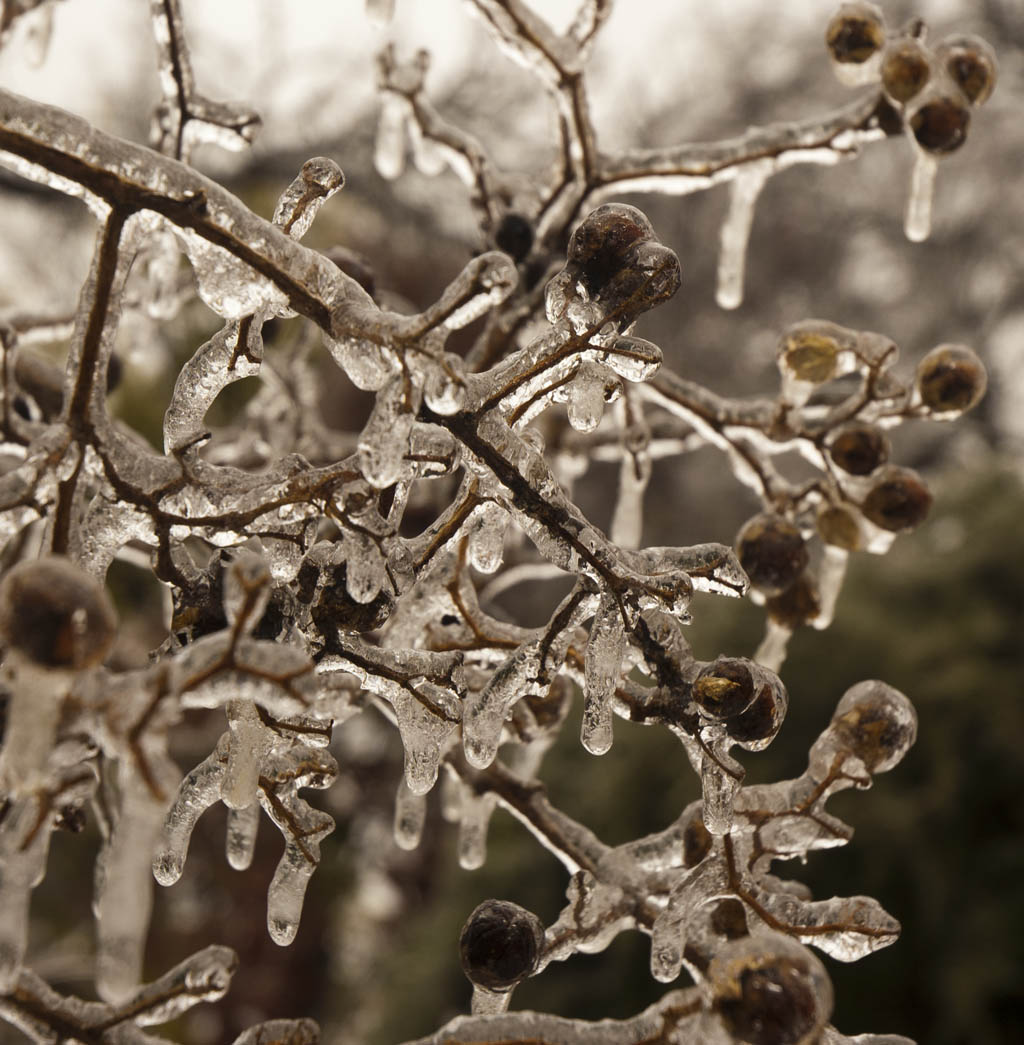
This winter, the ice storm showed another side of their beauty, glowing like crystal in the faint sunlight filtering through the clouds.

(click to enlarge)

(click to enlarge)

Life After High School

I read a lot of short stories. A lot.

All my life I have read voraciously and read short stories particularly. After the advent of the ebook and the portable reader I have been able to kick it up a notch. My Kindle goes with me everywhere and I’m able to read in the small nooks of time that I can scare up. The short story is particularly good to gobble up in these little snips and sips. I usually read one at lunch and another before I go to sleep. That’s two short stories a day… and over a few years… over a handful of decades… they add up.

Kindle

Call Me Ishmael

Forty years ago, I had an English professor ask me about my reading habits. I told him I had gone to high school in another country and life there consisted of days of boredom sandwiched between moments of stark terror. I had picked up the habit of reading whenever I could.

“But it is mostly junk,” I said, “Cheap Science Fiction and stuff like that.”

“Your sense of story is very strong.” the professor said, “Talking to students over the years, I think that the important thing is to read and it doesn’t really matter what you read, as long as you read a lot.”

Not too long ago, on this very blog, I did my Month of Short Stories entries – where I wrote about a short story each day. I enjoyed doing that and promised to write more about particular works that caught my fancy.

The other day I finished a large collection of Joyce Carol Oates short stories called High Lonesome. It brings together her own favorites over forty years – from 1966 to 2006. Oates is a very prolific writer and it was good to peruse this sampling.

Alice Munro recently won the Noble Prize for her short stories and I like to compare the two writers. Munro is the unassailable master of the form – but on the whole, I prefer reading Oates. Munro’s writing concerns the life she has led and the people she has known and the wisdom she has acquired. Wonderful stuff and I am so happy she deservedly won the prize. However, Oates goes one step beyond – she kicks it up a notch. Oates writes about the void… the beyond… the horror that lies right on the other side of the tender membrane that divides our world from the realm of madness.

That is something I am interested in.

There are a lot of great and interesting stories in the collection, including the classic “Where are you going, Where Have You Been?” and the amazing “Heat” – which I wrote about before. Today, I want to talk about one of the later stories in the collection, “Life After High School.”

Spoilers will be written, so please, surprise everyone and read the story first. I found a PDF of it here.

“Life After High School” seems to be a popular story for school essay assignments – there is a lot written about it on this interweb thing. I looked at more than a few – and everybody seems to completely miss the point of the story.

You see… it’s really three stories in one. The first two are tricks played on the reader – then she hits you with the hammer, the third.

The first three quarters of the story is the tragic tale of unrequited love where Zachary Graff, the intelligent but socially awkward teenager falls in love with Sunny Burhman, the attractive and popular girl that everyone likes. He eventually, Senior Year, works up the nerve to propose to her and she, of course, says no. He is so heartbroken he kills himself by running his car in a closed garage. This devastates Miss Burhman, and she is “Sunny” no more.

So far, so good. An oft-told tale, one that every reader, especially a young person, will recognize and understand.

But Oates throws a twist. The story isn’t “High School” – it’s “Life After…” and, decades later a middle-aged Sunny Burhman contacts another student, Tobias Shanks, from those days. They meet for lunch and Sunny discovers that the two boys were gay lovers and that Zachary went to see him after she had rejected Zachary and, moreover, Zachary had left him a suicide note.

So now the story has morphed into one of a sensitive young man destroyed by society’s disapproval and Zachary’s proposal to Sunny was his last, futile attempt to “fit in.”

And that is where most people that read it leave the story. It is where I was ready to leave it… but not everything fit.

For example, the description that Oates provides of Zachary was a little odd. She said that most people were afraid of him. That doesn’t fit with the usual view of an odd, awkward, gay loser.

Also, Sunny says to him, “Zachary, it’s a free world.” But his response is, “Oh no it isn’t, Sunny. For some of us, it isn’t” A foreboding answer for a young person. There are plenty of other incongruities – I’ll leave some for you to find – enough to make my point clear on a second reading.

But finally, there was a detailed list of items that were found in his car at his death, it was said to be oddly littered. There was a Bible, some pizza crusts, textbooks, size eleven gym shoes, a ten foot piece of clothesline in the glove compartment, and the engagement ring in the car. (italics mine)

What was that all about? Why tell us all this? Chekhov’s gun says there has to be a reason… a good one.

So I was a little suspicious of the story. And then, I came to the last line… and the whole story changed. You see you think the story is one thing, then you think it’s another – and with the simple, final sentence it all changes, radically, for the last time.

After they have talked and read the suicide note, Sunny, almost as an afterthought, says:

“What do you think Zachary planned to do with the clothesline?”

And there it is.

Zachary wasn’t simply an awkward, misunderstood teenager… he was a killer. He didn’t propose to Sunny because he loved her (though he certainly did) – he was trying to get her into his car so he could kill her. When he failed, he went to see Tobias Shanks, his other love, and tried the same thing with him. Only then, with his homicidal needs frustrated, did he then off himself.

And the girl knew it. Sunny didn’t change her life after high school because of guilt over her rejection of Zachary. She was devastated because of the realization of how close she came to evil, how near she was to being an innocent murder victim, how thin that membrane that protects us really is.

Now… that is a story.

The funny thing is, reading what other folks thought about the tale, nobody else seemed to get it.

Here’s an analysis that is confused by the clothesline and the final line – the most important part of the story.

The clothesline is a symbol whose meaning is up for interpretation because the story does not give it a definite role. It could have been used to force Tobias or Sunny into coming with Zachary or Zachary could have planned to use it to kill himself

Here’s one that only notices the coldness of the final question (in my opinion, her detachment is her armor against the horror that lies beyond)…

Barbara Burhman’s final question in the story, “Life After High School” by Joyce Carol Oates was an appropiate closure because it is a reflection and direct unfolding of one of Barbara’s defining core characteristics and how she really truly feels about Zachary: cold-hearted indifference.

and finally, this one, simply says,

In the extract it was mentioned that Zachary had a clothesline in the glove compartment when the police found him dead in his car. It shows us that if the carbon monoxide did not work to kill him, he would have used the clothesline. It is an appropriate closure to the story because it shows Barbara and Tobias that there was nothing that they could do to save him. Zachary was determined to kill himself. I guess it shows some relief that he would have committed suicide sooner or later, if they might have saved him from the car.

Yeah, right. That’s a pretty slim reason to put that sentence in there for a writer of Oates’ skill. It’s like Chekhov included a gun so that the protagonist could have something to clean.

Am I off base here? Am I reading something into that last question that isn’t there? Is this really a tale of teenage angst, society’s rejection, and doomed love? Am I nuts to read into it a brilliant subtext of homicide and madness?

I don’t think so.

What do you think? – That’s assuming you do.
A Rose Embedded in Ice

“No mistake about it. Ice is cold; roses are red; I’m in love. And this love is about to carry me off somewhere. The current’s too overpowering; I don’t have any choice. It may very well be a special place, some place I’ve never seen before. Danger may be lurking there, something that may end up wounding me deeply, fatally. I might end up losing everything. But there’s no turning back. I can only go with the flow. Even if it means I’ll be burned up, gone forever.”
― Haruki Murakami, Sputnik Sweetheart

(click to enlarge)

(click to enlarge)

My old chainsaw quit working a year ago, so we had to go down to the hardware store and buy a new one. I was afraid they would be out of stock – a lot of people around here must be buying them right now – but they had two left. We bought the smallest, least expensive, least powerful, corded electric one. It’s only for trimming and, like now, clearing fallen limbs – not a lumberyard – plus, the smaller the saw… the safer the saw (in my opinion).

It was cold work, but quick work, to cut up the limbs of the red oak in the front yard and move them to the curb. It took a little more time to chop up the thicker pieces into chiminea sized chunks of firewood, but waste not want not.

chimmy

Actually, our old chiminea has bit the dust too, so we need to get down to Amigos Pottery and buy a new one. This is the season of renewal – new chainsaw, new chiminea to burn the old limbs while we wait for the new ones to grow back. It is a shock to see how much wood the weight of the ice tore off the tree – there are still some detached limbs suspended high up, waiting for a thaw and a good breeze to fall – but there are a lot left and the old tree keeps growing.

Bourbon Barrel Temptress

The ice storm was more than a full day past and I hadn’t left the house except for a short visit to the yard. But it was time to go, time to get out, time to visit the world… at least a little bit. It was time to go to the Lakewood Brewery for a sample of the 2013 Bourbon Barrel Temptress.

Their Temptress, a darker than night Milk Stout beer is one of my favorite things in the whole world. Take that concentrated deliciousness and let it age in an oak barrel that used to hold some fine whiskey and you have made a very good thing better. Today was the day they would open some of those casks.

My Toyota was still incapacitated, covered in a thick carapace of ice. I carefully poured a carafe of warm water along the door edge until I was able to get it open. Almost an hour of running the defroster and chipping away at the thick glazing and it was clear and I hit the road.

The streets were slick, but everyone was suffering from a temporary bought of sanity and were creeping along. I live only a couple of miles from the Brewery, so I made it without any real problem – except for having to walk across the skating rink of a parking lot.

And the Bourbon Barrel Temptress – was it worth the trip? Of course it was.

The Bourbon Barrel Temptress, on a Bourbon Barrel

The Bourbon Barrel Temptress, on a Bourbon Barrel

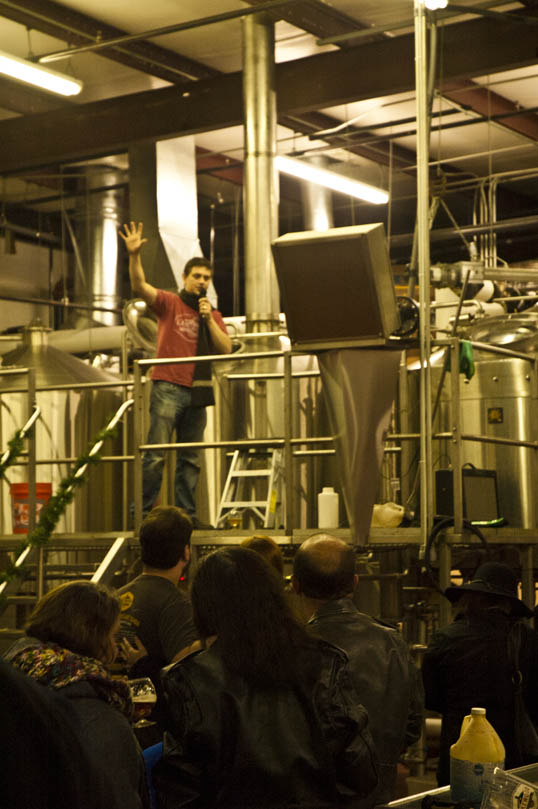
Lakewood Brewery tour - how they make the stuff.

Lakewood Brewery tour – how they make the stuff.

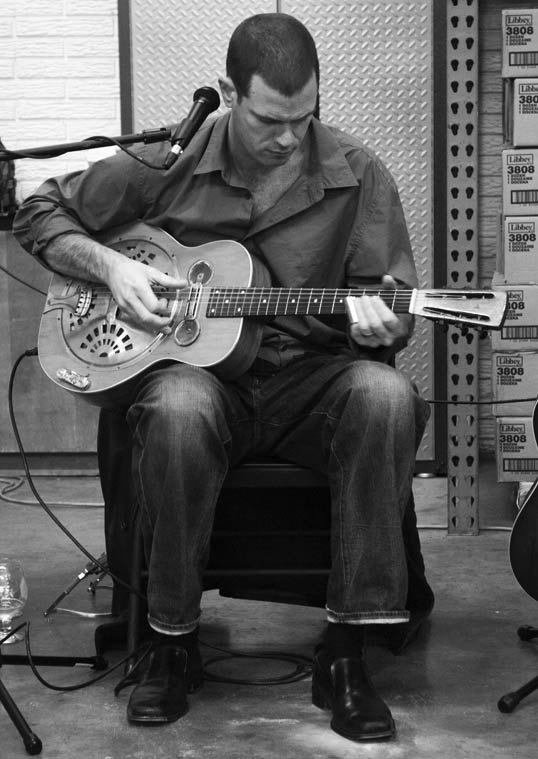
Music at the Brewery Tour

Music at the Brewery Tour

(click to enlarge)

(click to enlarge)

What I learned this week, December 07, 2013

The 10 most crucial books of the year.


The 20 Best Craft Breweries of 2013


What do you call a machine that hangs out with musicians?


100 Notable books of 2013 – From the New York Times, edited (reduced down) by me.

FICTION & POETRY

THE ACCURSED. By Joyce Carol Oates. (Ecco/HarperCollins, $27.99.) Oates’s extravagantly horrifying, funny and prolix postmodern Gothic novel purports to be the definitive account of a curse that infected bucolic Princeton, N.J., in 1905 and 1906.

BLEEDING EDGE. By Thomas Pynchon. (Penguin Press, $28.95.) Airliners crash not only into the twin towers but into a shaggy-dog tale involving a fraud investigator and a white-collar outlaw in this vital, audacious novel.

THE CIRCLE. By Dave Eggers. (Knopf/McSweeney’s, $27.95.) In a disturbing not-too-distant future, human existence flows through the portal of a company that gives Eggers’s novel its title.

CLAIRE OF THE SEA LIGHT. By Edwidge Danticat. (Knopf, $25.95.) Danticat’s novel is less about a Haitian girl who disappears on her birthday than about the heart of a magical seaside village.

THE COLOR MASTER: Stories. By Aimee Bender. (Doubleday, $25.95.) Physical objects help Bender’s characters grasp an overwhelming world.

THE DINNER. By Herman Koch. Translated by Sam Garrett. (Hogarth, $24.) In this clever, dark Dutch novel, two couples dine out under the cloud of a terrible crime committed by their teenage sons.

DIRTY LOVE. By Andre Dubus III. (Norton, $25.95.) Four linked stories expose their characters’ bottomless needs and stubborn weaknesses.

DISSIDENT GARDENS. By Jonathan Lethem. (Doubleday, $27.95.) Spanning 80 years and three generations, Lethem’s novel realistically portrays an enchanted — or disenchanted — garden of American leftists in Queens.

DOCTOR SLEEP. By Stephen King. (Scribner, $30.) Now grown up, Danny, the boy with psycho-intuitive powers in “The Shining,” helps another threatened magic child in a novel that shares the virtues of King’s best work.

DUPLEX. By Kathryn Davis. (Graywolf, $24.) A schoolteacher takes an unusual lover in this astonishing, double-hinged novel set in a fantastical suburbia.

THE FLAMETHROWERS. By Rachel Kushner. (Scribner, $26.99.) In Kushner’s frequently dazzling second novel, an impressionable artist navigates the volatile worlds of New York and Rome in the 1970s.

THE GOLDFINCH. By Donna Tartt. (Little, Brown, $30.) The “Goldfinch” of the title of Tartt’s smartly written Dickensian novel is a painting smuggled through the early years of a boy’s life — his prize, his guilt and his burden.

THE GOOD LORD BIRD. By James McBride. (Riverhead, $27.95.) McBride’s romp of a novel, the 2013 National Book Award winner, is narrated by a freed slave boy who passes as a girl. It’s a risky portrait of the radical abolitionist John Brown in which irreverence becomes a new form of ­homage.

A GUIDE TO BEING BORN: Stories. By Ramona Ausubel. (Riverhead, $26.95.) Ausubel’s fantastical collection traces a cycle of transformation: from love to conception to gestation to birth.

I WANT TO SHOW YOU MORE: Stories. By Jamie Quatro. (Grove, $24.) Quatro’s strange, thrilling and disarmingly honest first collection draws from a pool of resonant themes (Christianity, marital infidelity, cancer, running) in agile ­recombinations.

MADDADDAM. By Margaret Atwood. (Nan A. Talese/Doubleday, $27.95.) The survivors of “Oryx and Crake” and “The Year of the Flood” await a final showdown, in a trilogy’s concluding entry.

METAPHYSICAL DOG. By Frank Bidart. (Farrar, Straus & Giroux, $24.) To immerse oneself in these poems is to enter a crowd of unusual characters: artistic geniuses, violent misfits, dramatic self-accusers (including the poet himself).

THE SON. By Philipp Meyer. (Ecco/Harper­Collins, $27.99.) Members of a Texas clan grope their way from the ordeals of the frontier to celebrity culture’s absurdities in this masterly multigenerational saga.

THE SOUND OF THINGS FALLING. By Juan Gabriel Vásquez. Translated by Anne McLean. (Riverhead, $27.95.) This gripping Colombian novel, built on the country’s tragic history with the drug trade, meditates on love, fate and death.

TENTH OF DECEMBER: Stories. By George Saunders. (Random House, $26.) Saunders’s relentless humor and beatific generosity of spirit keep his highly moral tales from succumbing to life’s darker aspects.

WANT NOT. By Jonathan Miles. (Houghton Miff­lin Harcourt, $26.) Linking disparate characters and story threads, Miles’s novel explores varieties of waste and decay in a consumer world.

NONFICTION

THE AMERICAN WAY OF POVERTY: How the Other Half Still Lives. By Sasha Abramsky. (Nation Books, $26.99.) This ambitious study, based on Abramsky’s travels around the country meeting the poor, both describes and prescribes.

THE CANCER CHRONICLES: Unlocking Medicine’s Deepest Mystery. By George Johnson. (Knopf, $27.95.) Johnson’s fascinating look at cancer reveals certain profound truths about life itself.

ECSTATIC NATION: Confidence, Crisis, and Compromise, 1848-1877. By Brenda Wine­apple. (Harper, $35.) A masterly Civil War-era history, full of foiled schemes, misfired plans and less-than-happy ­endings.

THE FARAWAY NEARBY. By Rebecca Solnit. (Viking, $25.95.) Digressive essays, loosely about storytelling, reflect a difficult year in Solnit’s life.

FIVE DAYS AT MEMORIAL: Life and Death in a Storm-Ravaged Hospital. By Sheri Fink. (Crown, $27.) The case of a surgeon suspected of euthanizing patients during the Katrina disaster.

THE GUNS AT LAST LIGHT: The War in Western Europe, 1944-1945. By Rick Atkinson. (Holt, $40.) The final volume of Atkinson’s monumental war trilogy shows that the road to Berlin was far from smooth.

THE RIDDLE OF THE LABYRINTH: The Quest to Crack an Ancient Code. By Margalit Fox. (Ecco/HarperCollins, $27.99.)Focusing on an unheralded but heroic Brooklyn classics professor, Fox turns the decipherment of Linear B into a detective story.

THE SKIES BELONG TO US: Love and Terror in the Golden Age of Hijacking. By Brendan I. Koer­ner. (Crown, $26.) Refusing to make ’60s avatars of the unlikely couple behind a 1972 skyjacking, Koerner finds a deeper truth about the nature of extremism.

THE SLEEPWALKERS: How Europe Went to War in 1914. By Christopher Clark. (Harper, $29.99.) A Cambridge professor offers a thoroughly comprehensible account of the polarization of a continent, without fixing guilt on one leader or nation.

THOSE ANGRY DAYS: Roosevelt, Lindbergh, and America’s Fight Over World War II, 1939-1941. By Lynne Olson. (Random House, $30.) The savage political dispute between Roosevelt and the isolationist movement, presented in spellbinding detail.

TO SAVE EVERYTHING, CLICK HERE: The Folly of Technological Solutionism. By Evgeny Morozov. (PublicAffairs, $28.99.) Digital-age transparency may threaten the spirit of democracy, Morozov warns.

THE UNWINDING: An Inner History of the New America. By George Packer. (Farrar, Straus & Giroux, $27.) With a nod to John Dos Passos, Packer offers a gripping narrative survey of today’s hard times; the 2013 National Book Award winner for nonfiction.


Mentally Strong People: The 13 Things They Avoid


5 Jobs with the Worst Bosses

Between Candy and I, we have three of the five covered.


Inside the Box

People don’t actually like creativity.

Covered in Ice

“Maybe it’s wrong when we remember breakthroughs to our own being as something that occurs in discrete, extraordinary moments. Maybe falling in love, the piercing knowledge that we ourselves will someday die, and the love of snow are in reality not some sudden events; maybe they were always present. Maybe they never completely vanish, either.”
― Peter Høeg, Smilla’s Sense of Snow

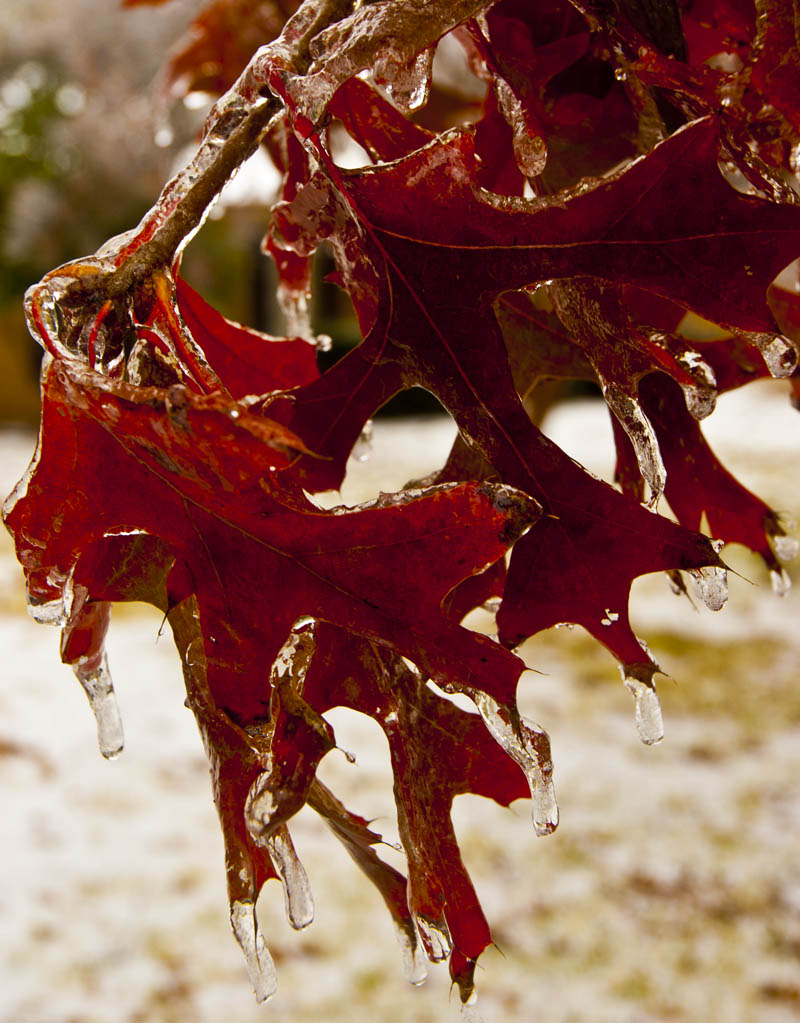
The trees that still had their leaves, mostly oaks, were the ones to suffer the most. (click to enlarge)

The trees that still had their leaves, mostly oaks, were the ones to suffer the most.
(click to enlarge)

I read on facebook where somebody here in Dallas wrote, under a nice bright picture of downtown, “I remember when it was sunny and eighty degrees… wait, that was yesterday.”

The freezing rain blew in overnight, coating everything in a transparent crystalline shell. I bundled up, breathed the bitter clean air, and carefully walked around the familiar landscape of my yard – transformed into an alien arctic spectacle. When the breeze would blow the world would tinkle with tiny crackling ice. The sun was behind thin clouds but enough light shone through to light up the glassy ice crystals like myriad clear jewels strung everywhere.

We have a huge oak tree in our front yard. Overnight, I could hear wood splitting as the tons of frozen water dripping down the still-attached leaves weighted the wood past its breaking point. In the morning, the yard was littered with limbs, with more broken ones suspended overhead, still stuck in the thick canopy. I’ll have to wait a day or so and then cut the fallen limbs up for firewood and haul the rest to the curb for the city to pick up.

A guy was wandering the neighborhood looking for work – he offered to clear the fall for twenty bucks, which is a more than fair price. I said no… and I’m not sure why, but I think I want to do it myself.

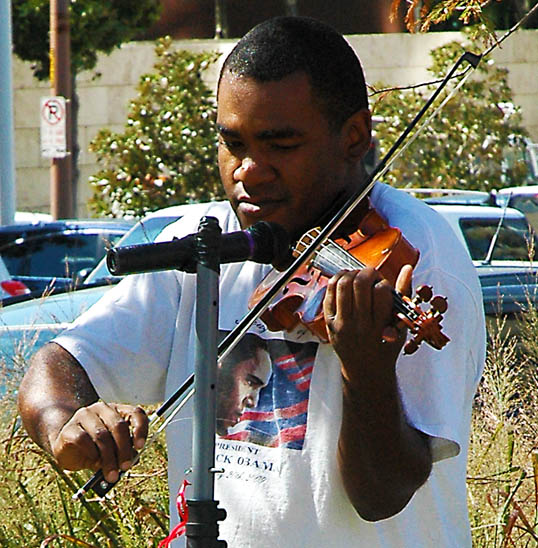
Fiddling in the Arts District

Leftover from the summer

Arts District, Dallas, Texas

fiddling1

fiddling2

Majestic Parking

“‘He thinks you need a lobotomy. He told me you’re obsessed by car parks.’”
—-J.G. Ballard, Super-Cannes

parking

“An immense peace seemed to preside over the shabby concrete and untended grass. The glass curtain-walling of the terminal buildings and the multi-storey car-parks behind them belonged to an enchanted domain.”
—-J.G. Ballard, Crash

“At the time he had found himself wishing that Catherine were with him — she would have liked the ziggurat hotels and apartment houses, and the vast, empty parking lots laid down by the planners years before any tourist would arrive to park their cars, like a city abandoned In advance of itself.”
—-J.G. Ballard, Concrete Island

“Wilder pressed on. “I know Charlotte has reservations about life here — the trouble with these places is that they’re not designed for children. The only open space turns out to be someone else’s car-park.”
—-J.G. Ballard, High-Rise

“The town centre consisted of little more than a supermarket and shopping mall, a multi-storey car-park and filling station. Shepperton, known to me only for its film studios, seemed to be the everywhere of suburbia, the paradigm of nowhere.”
—-J.G. Ballard, The Unlimited Dream Company

“The street lamps shone down on the empty car parks, yet there were no cars or people about, no one was playing the countless slot-machines in the stores and arcades.”
—-J.G. Ballard, Hello America

“Two vehicles occupied opposite corners of the car-park, breaking that companionable rule by which drivers arriving at an empty car-park place themselves alongside each other.”
—-J.G. Ballard, The Kindness of Women

“Acres of car parks stretched around me, areas for airline crews, security personnel, business travellers, an almost planetary expanse of waiting vehicles. They sat patiently in the caged pens as their drivers circled the world. Days lost for ever would expire until they dismounted from the courtesy buses and reclaimed their cars.”
—-J.G. Ballard, Millennium People

“I had left the Jensen in the multi-storey car park that dominated the town, a massive concrete edifice of ten canted floors more mysterious in its way than the Minotaur’s labyrinth at Knossos — where, a little perversely, my wife suggested we should spend our honeymoon.”
—-J.G. Ballard, Kingdom Come

“Thousands of inverted buildings hung from street level — car parks, underground cinemas, sub-basements and sub-sub-basements — which now provided tolerable shelter, sealed off from the ravaging wind by the collapsing structures above.”
—-J.G. Ballard, The Wind from Nowhere

“Already, without touching her, he knew intimately the repertory of her body, its anthology of junctions. His eyes turned to the multi-storey car park beside the apartment blocks above the beach. Its inclined floors contained an operating formula for their passage through consciousness.”
—-J.G. Ballard, The Atrocity Exhibition

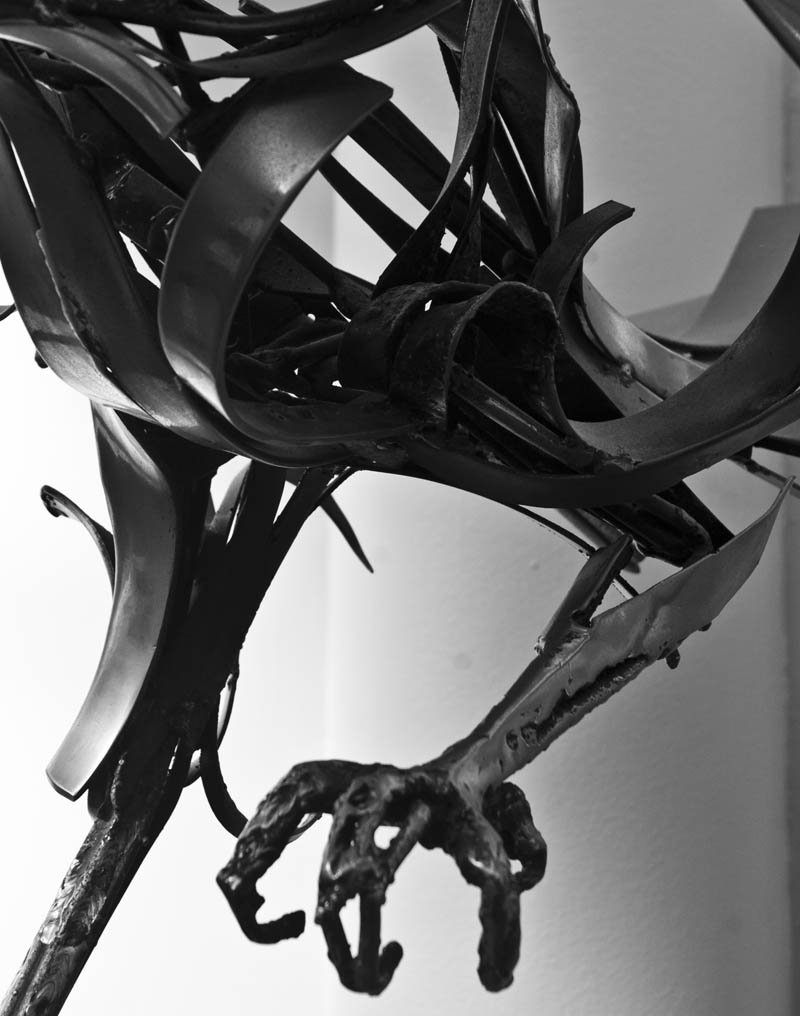
Talons

Sculpture by the side door to the Irving Arts Center, Irving, Texas

(click to enlarge)

(click to enlarge)

(click to enlarge)

(click to enlarge)

(click to enlarge)

(click to enlarge)

Black Friday Ride(s)

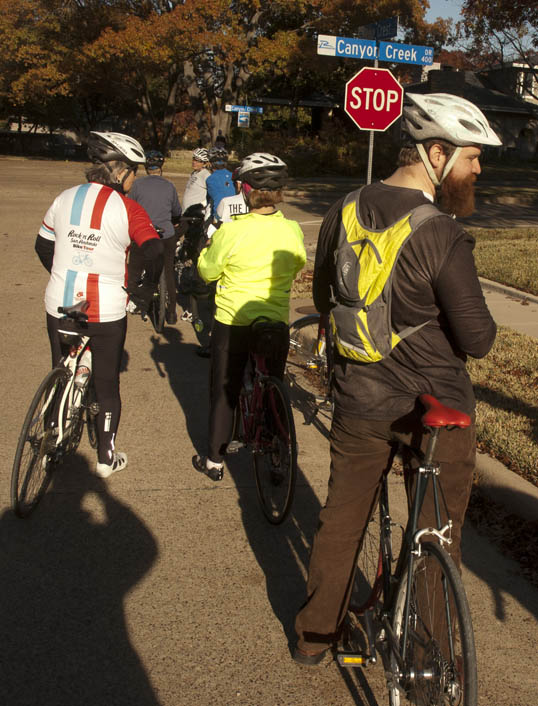
I spent a few more minutes sweeping the bridge over the Trinity River than I had intended, so I had to rush out. Bike Friendly Richardson was doing their annual Black Friday Ride at 1PM and I only had twenty minutes to get out to Beltline and 75. It shouldn’t have been a problem, but this was Black Friday and my GPS showed a dark red streak at 75 and Northwest – folks were backed up trying to get into Northpark Mall. Nothing to do but wait it out.

So often when I’m in my car these days I wish I was on the bike.

It wasn’t too late when I arrived… I was able to put my old Technium together and ride out with the group, no problem.

It was a very nice, easy ride – a ten mile tour of the “other” side of Richardson, across 75 from where I live. I said, “It’s nice to ride around Richardson and not look for sculptures.” We stopped at the Pearl Cup for some coffee and then rode back. The weather was perfect – not a breath of wind… maybe a little cool when stopped, a little warm when pedaling.

Bike Friendly Richardson, Black Friday Ride (click to enlarge)

Bike Friendly Richardson, Black Friday Ride
(click to enlarge)

Bike Friendly Richardson, Black Friday Ride (click to enlarge)

Bike Friendly Richardson, Black Friday Ride
(click to enlarge)

Bike Friendly Richardson, Black Friday Ride (click to enlarge)

Bike Friendly Richardson, Black Friday Ride
(click to enlarge)

Waiting for a flat to get fixed.

Waiting for a flat to get fixed.

After the ride, I should have stopped in for some beer at Haystack, but this was only the second of three bike events I wanted to do. This was the last Friday of the month – so it was best that I head home and get ready for Critical Mass. I was worried about the weather, but shouldn’t have been – it was as nice as it could be.

Usually I am a stickler about leaving my house on my bike but today I thought it prudent to drive to the Forest Lane DART station and leave from there. That way, if I missed the midnight train home, I could ride to that station on the White Rock and Cottonwood trails.

The Critical Mass rides are getting smaller now that the winter is here, but there were enough hard-core fans to make it fun. One interesting thing about these rides is that nobody knows where they are going until they get there. The Black Friday route looped through downtown and then Deep Ellum, ending up on a winding path through Fair Park.

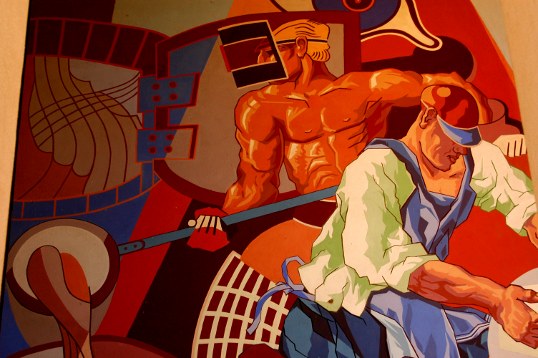
Riding through the fairgrounds with a big group on bicycles after dark was pretty interesting and a lot of fun. We wound through the art deco buildings, past the wonderful murals that loomed overhead in the gloom of darkness, and around the sculptures gleaming as best as they could in the murk. Finally we looped past the bright lights and giddy crowds of the Chinese Lantern Festival which was a riot of bright color thrust above the opaque night.

Pond at Fair Park

A pond in Fair Park. The red paths are part of a massive sculpture by Patricia Johanson. I have always loved those red paths running through the water, weeds, and turtles. A neglected jewel in the city.
– it was a lot darker on the bike ride, of course.

Mural at Fair Park, taken during the day.

Mural at Fair Park, taken during the day.

The bicycles poured out of the park and everyone split up to go to their favorite night spot. I had a quick beer at Craft and Growler and then received a text that Candy and Lee were with friends and relatives at Rustic, in Uptown. After some thought, I realized I could get there on my bike, so I rode up Exposition, through Deep Ellum, across Downtown, then turned north through Uptown to get to Rustic.

I really enjoy riding my bicycle through the big city at night. The traffic is broken up and I have decent lights, so I feel surprisingly safe. The cool night air, the giant glittering buildings overhead, and the close look at the heart of the metropolis from the saddle is a lot more fun that fighting the traffic and looking for parking spaces.

I locked my bike outside on a light pole and walked past the disapproving stares of the doormen carrying my helmet under my arm. The Rustic isn’t my kind of place, but it was fun to see everybody. One good thing is that it is right next to the turntable at the end of the streetcar line and the long escalator down into the DART tunnel – so we rode that back to my car and home. Taking my bicycle down that escalator was a bit awkward – but it worked.

Candy’s car was at another DART station so I left again on my bike to go pick it up, getting home at about one AM. A nice long Black Friday – mostly on a bicycle.